National Resource Center for Academic Detailing [NaRCAD]
NARCAD
  • Who We Are
    • THE STRATEGY
    • Our Team
    • Testimonials
    • Internship Program
  • WHAT WE OFFER
    • EXPERT CONSULTATION
    • DETAILING TOOLKITS
    • How-To Guides
    • VIDEO RESOURCES >
      • SKILLS LAB
      • WEBCASTS
    • Literature Library
  • EVENTS
    • Training Series
    • CONFERENCE SERIES
    • AD Summit Series
    • COMMUNITY CHECK-INS
    • Peer Connection
  • MEDIA CENTER
    • Podcast Series
    • e-newsletter
    • The Details Blog
    • Virtual Bookshelf
  • WORK WITH US
  • Who We Are
    • THE STRATEGY
    • Our Team
    • Testimonials
    • Internship Program
  • WHAT WE OFFER
    • EXPERT CONSULTATION
    • DETAILING TOOLKITS
    • How-To Guides
    • VIDEO RESOURCES >
      • SKILLS LAB
      • WEBCASTS
    • Literature Library
  • EVENTS
    • Training Series
    • CONFERENCE SERIES
    • AD Summit Series
    • COMMUNITY CHECK-INS
    • Peer Connection
  • MEDIA CENTER
    • Podcast Series
    • e-newsletter
    • The Details Blog
    • Virtual Bookshelf
  • WORK WITH US


​


​​improving care via 1:1 dialogue

When trained professionals have the right communications skills, change ignites - and health improves.

BETTER FRONTLINE CARE: Academic Detailing to Drive Sustainable Change

  • Academic Detailing (AD) is a proven communications strategy that meets the needs of busy clinicians who may lack the time, training, or practical support to implement evidence-based approaches to care. ​

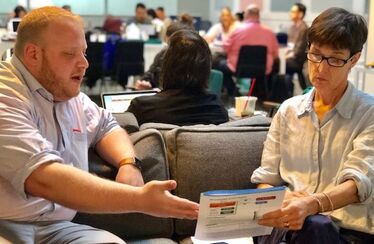
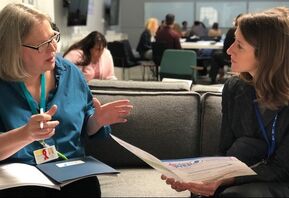
  • That's where AD comes in. Specially-trained detailers lead a 1:1 dialogue, assess needs, and deliver action-based strategies for clinicians to adopt. ​
​
  • ​The result? Improved prescribing, prevention, and care for patients.

EXPANDING THE APPROACH:
Detailing as an Adaptive Strategy

Patient health depends on more than clinical care. The adaptive strategy of Behavior Change Detailing (BCD) can be applied anytime there are gaps in knowledge, linkages to care, or access to resources.
​
As the delivery of care has expanded towards a broader, community-based landscape, so has the field of detailing.

That's why we're focusing on innovative adaptations to the model - so that 
the entire community can play a key role in improving health outcomes.


Picture
DETAILING CAN IMPROVE HEALTH OUTCOMES RELATED TO:

  • Substance use
  • Harm reduction
  • HIV prevention & treatment
  • Sexual health testing & education
  • Diabetes and other chronic diseases
  • Screening and prevention
  • Cancer control
  • Women's, Pediatric, & Geriatric health
  • Trauma-informed care
  • Patient inclusion & Cultural sensitivity
  • Gender-affirming care
  • Environmental health
  • Vaccine uptake
  • Antibiotic stewardship, & more
Picture
Picture
Who Benefits from Detailing Sessions?
 
  • Hospitals, Clinics, and Care Centers (any space with front-line clinicians, including doctors, nurses, pharmacists, practice managers, administrators/leadership, health IT specialists, emergency staff, long term care, and more)
   
  • Patient Services & Support Centers (harm reduction sites, mobile testing sites, treatment centers, community pharmacies, addiction support groups, nutrition-based support groups, public exercise and movement)
 
  • Patients & Caregivers (including companions, family members, home care, and more) 
 
  • Public Safety Services (emergency medical responders, firefighters, volunteer emergency responders, homelessness shelters, domestic violence shelters, emergency preparedness centers)​​

Picture
  • Public Health Departments (state and local)
 
  • Professional Associations
 
  • Community-based Organizations (coalitions, non-profits, affinity groups, faith-based groups)
 ​
  • Public Services (libraries, recreation centers, free or low-cost public events, health fairs, food pantries, festivals, farmer's markets, and more)
 
  • Arts & Activism Spaces (arts-based gathering spaces, cultural celebrations, and other community spaces that patients may frequent)
 
  • Legislators and Policy-makers (and other advocacy-based groups) 
 
  • ​Health Insurance Providers - and more.

Our Expertise 

Picture
We're ready to help you imagine, create, and implement a behavior change detailing intervention that builds bridges between key members of your community to improve public health.

​Our team of communications experts, clinical staff, detailing consultants, training facilitators, special advisers, researchers, and subject matter experts ​are ready to provide you with customized technical assistance to make behavior change a reality for your initiative.
work with us

TRAINING CLASSES
MEET OUR TEAM
OUR EVENTS
REACH OUT TO US


​About NaRCAD
​

Founded in 2010 at Brigham & Women's Division of Pharmacoepidemiology & Pharmacoeconomics [DoPE] and now operating within Boston Medical Center, we're the only national technical assistance and capacity-building resource center for non-commercial detailing.​ Learn more about historical application of detailing by visiting Literature Archives.

​NaRCAD is a program of the Boston Medical Center, founded at Brigham & Women's Hospital, Division of Pharmacoepidemiology & Pharmacoeconomics.
​Privacy Notice
Proudly powered by Weebly